Finding Your Perfect Dream Home Starts Here!
ReelSales Team - Residential Sales | 810-600-2130
Professional Real Estate Services for Buyers & Sellers for over 20 years!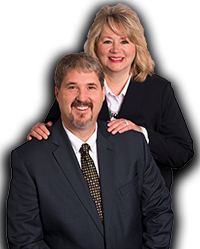




Browse some of our newly added or recently updated properties!
Get a free instant "Home Value Report" of your home, which is an automated estimate based on current active and pending comparable home in your neighborhood.
View Your Home Value Report
If you're just getting started, these online features can help you get a better picture of how much it will cost.
Save your searches and favorite homes along with notes and ratings. Be one of the first to know about new listings, open houses and price reduced listings.
The home buying process can be a confusing, being knowledgeable about the process can help a great deal. Here are some great buyer tips and advice!
'Click' here - Featured Homes For Sale.
Need to Sell your home?
It's one of the bigest purchases a person will make. have a professional Realtor on your side. We will get your home SOLD for top dollar, and in a timely manner. Our online and offline marketing programs, will give you the edge you need to sell your home. We don't want to just list your home 'FOR SALE', we want it 'SOLD'! And....Sell It Fast!
We hold ourselves to a high standard of quality & professionalism. We and our company are constantly upgrading our technology, marketing skills & education to bring you the best service possible. Call us today, to make an appointment, so we can show you how homes are SOLD in today's growing market.
Looking to Buy a home?
Don't go it alone! We will take the time to listen to your needs, and help you find the home for sale that's right for you! Whether you are looking for a Owner Occupied' , Bank REO, or a HUD Home for Sale, we can find it!
We will set up a personalized 'Search Portal', customized to your needs. No need to look at multiple real estate website, your portal will have it all -and- it will notify you of homes that are: New on the Market, Back on the Market, and Price Reductions. Don't spend hours searching for homes, only to find out that they are already SOLD. Let us do the work for you and keep you current and up to date on available home.
Who's Looking Out For You?
Buying? Selling? Do you know who's looking out for your best interest?
There are 4 types of Agency you need to be aware of; Sellers Agency, Buyers Agency, Transaction Coordinator, and Dual Agency. If you do not know where you stand when discussing a real estate purchase, you may be loosing out on on you buying power. Learn more on how we can best represent you and your interests using one of these types of agency. Call us today to learn more.
How to Avoid Foreclosure.
There are ways for a buyer to get a great deal on a home and for a seller to avoid Foreclosure. One is through the 'Short Sale' process. This is where the bank is willing to take a lessor payoff form the seller than they owe to clear the debt and avoid foreclosure. This is a win-win situation for the seller, the lender, and you the buyer. Beware: these transactions can sometime take a while to close. So, be prepared for a longer period of time to close in order to take advantage of the savings.
The other is assuming a sellers mortgage. There are two types; a 'Formal Assumption' and a 'Simple Assumption'. These types of transactions can be quick and easy to sell your property. Pricing of the home is still important to draw interest from the buyer. The terms of the assumption may or may not make this option inviting to the buyer.
Call us for more information about these alternative ways to sell your home. In today's market the same old approach of the past won't always yeild the results you want. You need to be a bit more savy with the full use of the Internet sales options to reach buyers and catch their interest. We will review your; financial and physical situation, and discuss the best plan to market your home.
HUD Homes.
Yes, we have HUD Homes!
Looking to buy a home from the government? We have access to all the HUD Homes available. We are an authorized HUD Home office. HUD homes are available in all areas. There is special financing on HUD Home. call us for more details.
All HUD Home bids are done on-line through a Realtor. Call us directly and we can place your HUD bid and get you a great deal on a Michigan HUD Home.
Our Direct HUD Home Line: 810-600-2130
Foreclosures
The Michigan foreclosure market has exploded in the last few years. The variety of properties, from starter to luxury homes for sale, gives every budget and/or style something to choose from. Working with the bank on a purchase can bring some big savings.
Michigan Community Quick Links
Want to know more about what is happening in a Michigan community near you? Click on any of the links below for quick access to that communities link. City of Burton, City of Clio, City of Davison, City of Flint, City of Flushing, City of Grand Blanc, City of Montrose, City of Mt Morris, City of Swartz Creek, Davison Township, Flint Township, Flushing Township.
For over 30 years, we have built a strong reputation for client satisfaction.
Our commitment, to a higher industry standard, has been honored a number of times with American Associates, Inc. highest award, the Pinnacle Sales Award for outstanding sales achievement as American Associates, Inc. #1 Sales Team for 4 times!
Thank you for visiting our site. Please bookmark it, and visit it often.
We look forward to hearing from you in the future.
Sincerely,
Scott & Stacey Reel
ReelSales@comcast.net
810-691-9799


